India
Anant Nag to receive Dadasaheb Phalke Award for 2024
Veteran actor Anant Nag, 78, will be honored with the Dadasaheb Phalke Award at the 72nd National Film Awards. The award recognizes his 50-year career spanning multiple languages and media.
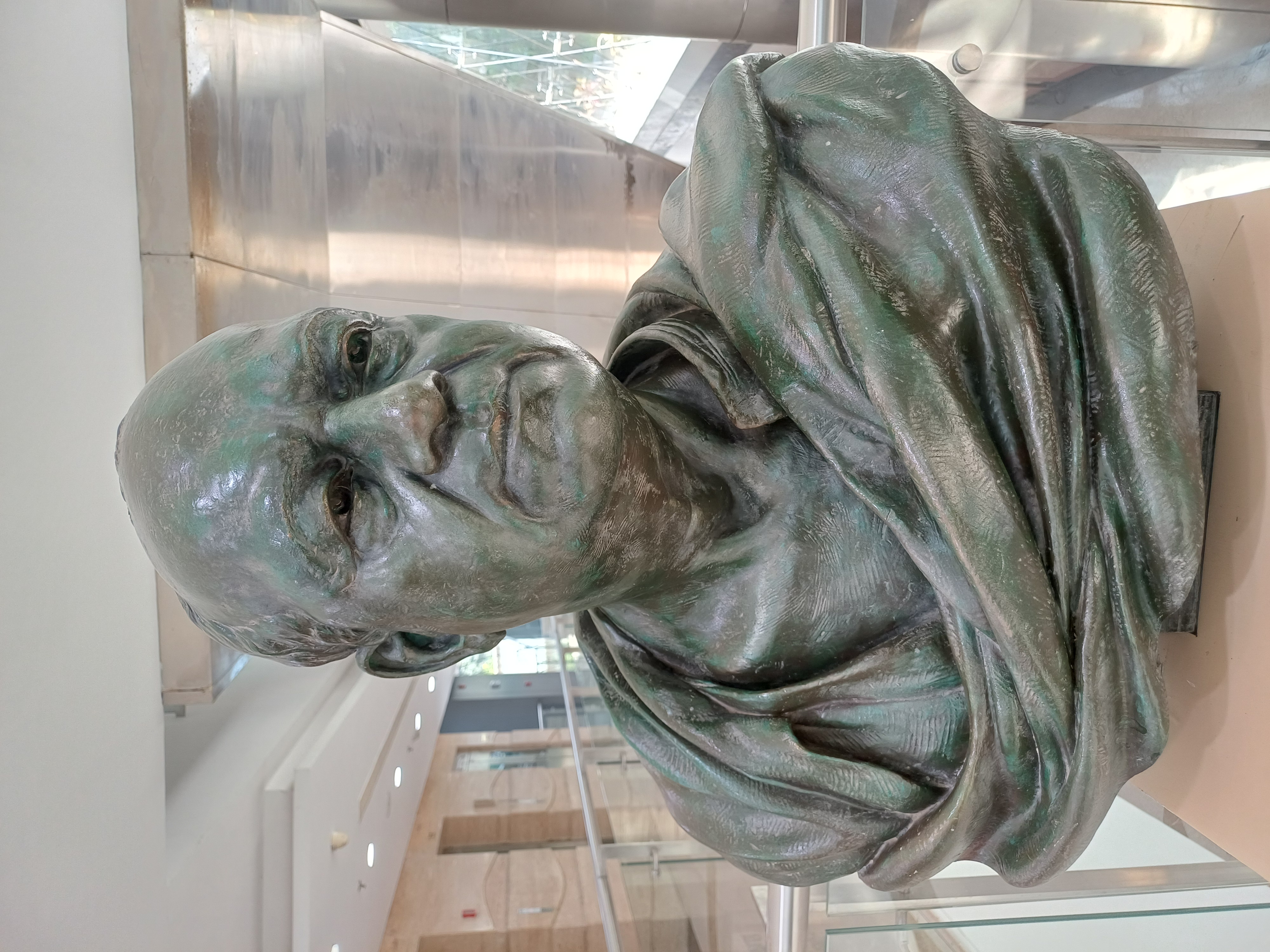

Veteran actor Anant Nag will be honored with the Dadasaheb Phalke Award for 2024 at the 72nd National Film Awards ceremony in Kevadia, Gujarat, on September 22. The Government of India announced the decision, citing Nag’s contributions to Indian cinema and his influence on generations of artists.
The Dadasaheb Phalke Award, regarded as India’s highest cinematic honor, acknowledges an individual’s impact on the growth of Indian cinema. The selection was made following a recommendation from the Dadasaheb Phalke Award Selection Committee. Nag’s career, spanning over five decades, includes work in Kannada, Hindi, Telugu, Tamil, Malayalam, and Marathi cinema, with a filmography exceeding 300 films. More than 250 of these were in Kannada, reflecting his deep roots in the language and culture.
Prime Minister Narendra Modi praised Nag’s versatility and depth, stating that his performances have left a strong mark on Indian cinema, particularly Kannada cinema. Modi highlighted Nag’s ability to bring authenticity to every role, calling the award a richly deserved honor. Karnataka Chief Minister D K Shivakumar also congratulated Nag, calling the recognition a matter of pride for Kannadigas. He emphasized Nag’s artistic journey as an inspiration for future generations.
Born Anant Nagarkatte on September 4, 1948, Nag began his career with the Kannada film Sankalp and later entered Hindi cinema with Ankur. His career spanned multiple generations of Indian filmmaking, with his work appearing in television as well. He was a regular in the popular Doordarshan series Malgudi Days, based on the stories of R K Narayan, which introduced his work to a wider audience.
Nag has received five Karnataka State Film Awards and was conferred the Padma Bhushan, India’s third-highest civilian honor, in 2025. His career has been marked by a range of characters and a commitment to storytelling across multiple platforms.
The award highlights Nag’s enduring influence on Indian cinema and his role in shaping the cultural landscape of the country. While the government and political leaders have praised his contributions, no public criticism or dissent has been reported. The award underscores the recognition of his long-standing career and the impact of his work on both regional and national cinema.